
Windstorm insurance is one of those coverages that a lot of Gulf Coast homeowners know they need but aren’t entirely sure what it actually does. If you live in Pearland, Galveston, League City, Friendswood, Alvin, or anywhere along the Texas coast, you’ve probably heard the term come up every hurricane season. So let’s clear things up: what does windstorm insurance cover, where does it fall short, and why does it matter so much here?
The Basics of What Windstorm Insurance Covers
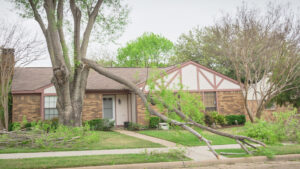 At its core, windstorm insurance pays for damage caused by high winds and, in many policies, hail. Think about what a major storm can do to a home: a roof torn up by hurricane-force gusts, siding ripped away, windows shattered by flying debris, or a fence leveled by a fast-moving front. Those are the kinds of losses windstorm coverage is built to address.
In Texas, windstorm insurance is particularly important because standard homeowners policies often exclude wind damage in high-risk coastal counties, or they attach large percentage deductibles specifically for named storms. The Texas Windstorm Insurance Association (TWIA) was created to fill that gap for properties in designated catastrophe areas, including Galveston County and other coastal regions. If your home sits in one of those areas, you may need a separate windstorm policy entirely rather than relying on your standard homeowners coverage.
A solid windstorm policy generally covers:
- Roof damage from wind and hail
- Structural damage to walls, windows, and doors
- Damage to attached structures like garages or covered patios
- In some cases, personal property inside the home if wind caused an opening that exposed it
What Windstorm Insurance Does Not Cover
This is where a lot of homeowners run into trouble, and it’s worth spending a moment here. Windstorm insurance does not cover flood damage, even when the flooding is caused by a hurricane. Storm surge, rising water, and rain-driven flooding are flood events, and they require a completely separate flood policy. We’ve seen this confusion cause real hardship for families after major storms, which is why we always talk through both coverages together.
There are also some other common exclusions to be aware of. Windstorm policies typically won’t cover:
- Flood or water intrusion from the ground up
- Damage from neglect or deferred maintenance (a roof that was already failing before the storm, for instance)
- Trees or landscaping
- Vehicles, which fall under your auto policy
- Business income losses, which need their own commercial coverage
That last point matters for our small business owners in the area. If a storm shuts down your operation, a personal windstorm policy won’t help you recover lost revenue. That’s a different conversation, and one we’re happy to have.
Wind Deductibles: A Detail That Catches People Off Guard
Even when you do have windstorm coverage, the deductible works differently than most people expect. Rather than a flat dollar amount, wind and named-storm deductibles are often calculated as a percentage of your home’s insured value. On a home insured for $300,000, a 2% wind deductible means you’re covering the first $6,000 out of pocket before the policy steps in. That’s a number worth knowing before a storm hits, not after.
We always walk our clients through their deductibles clearly so there are no surprises at claim time. It’s one of the things we’ve been doing since 1985, and it’s still one of the most valuable conversations we have.
Why This Matters So Much on the Gulf Coast
If you’re in Pearland, Friendswood, League City, or further south toward Alvin or Galveston, you already know that storm risk isn’t theoretical. These communities have lived through serious hurricane and tropical storm events, and the years since have made it clearer than ever that having the right combination of windstorm and flood coverage isn’t optional if you want real protection.
As an independent agency, we represent multiple carriers, which means we can look at your specific property, location, and budget and find coverage that actually fits rather than fitting you into a one-size solution. For properties in TWIA-eligible areas, we can help you understand that process. For inland homes in Pearland, Alvin, and surrounding areas, we can look at private market options that might give you better coverage terms.
If you have questions about your current windstorm policy or want to make sure you have the right coverage heading into the heart of hurricane season this August, please give us a call or drop us an email. We’re always glad to help a neighbor sort things out.