
If a storm has just rolled through and your home has taken on water, the last thing you want is confusion about what to do next. Filing a flood insurance claim can feel overwhelming in the aftermath of a disaster, but the process is more straightforward than most people expect. We’ve been helping homeowners and businesses along the Texas Gulf Coast work through this since 1985, and we want to make sure you know exactly what steps to take.
Document Everything Before You Touch Anything
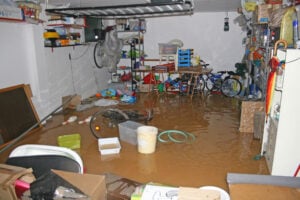 As soon as it is safe to re-enter your home, start documenting the damage before you move or throw anything away. Take photos and video of every affected room, including water lines on the walls, damaged furniture, flooring, appliances, and any structural issues you can see. The more thorough your documentation, the stronger your claim will be.
Make a written list of damaged items, noting approximate values where you can. If you have receipts, warranties, or prior appraisals stored digitally or in a safe place, pull those together. For homeowners in Pearland, League City, and Friendswood, we’ve seen claims go much more smoothly when people come in with organized records rather than trying to reconstruct everything from memory weeks later.
Contact Your Flood Insurance Provider Right Away
Reach out to your flood insurance company as soon as possible. If your policy is through the National Flood Insurance Program (NFIP), you’ll call the number on your policy documents and they will assign an adjuster to your case. If you carry private flood insurance, the contact process is similar but may vary by carrier.
When you call, be ready to provide your policy number, the date the flooding occurred, and a brief description of the damage. Write down the name of the person you speak with and the claim number they assign you. That claim number becomes your reference point for every conversation going forward.
Meet With the Claims Adjuster
An adjuster will be sent to inspect your property. This visit is important, so try to be present if at all possible. Walk them through the damage yourself and share your photo documentation and written inventory. Point out anything that might not be immediately obvious, such as water damage behind walls, warped flooring beneath rugs, or damage to HVAC systems and ductwork.
If you feel the adjuster’s assessment doesn’t fully capture the extent of your loss, you have the right to request a re-inspection or hire a public adjuster on your own behalf. We work with clients in Alvin, Manvel, and surrounding areas who sometimes need that extra advocacy, and we’re always happy to help you think through your options.
Separate Damaged Property Carefully
Your insurance company may ask you to separate damaged items from undamaged ones. Do not throw away damaged belongings until the adjuster has seen them or you have confirmed in writing that it is acceptable to do so. Keep samples of damaged flooring, carpet, or other materials when possible. This gives the adjuster physical evidence to reference during their assessment.
Make Necessary Repairs to Prevent Further Damage
You are responsible for taking reasonable steps to prevent additional damage after the flood. That might mean boarding up windows, tarping a roof, or running fans and dehumidifiers to reduce mold growth. Keep every receipt for any temporary repairs or emergency services you pay for, because those costs may be reimbursable under your policy.
Review the Proof of Loss Statement
Once the adjuster completes their report, you’ll need to file a Proof of Loss, which is a signed statement detailing your damages and the dollar amount you’re claiming. NFIP policies typically require this within 60 days of the flood event, so don’t let that deadline slip by. Read the document carefully before signing, and if anything looks incorrect or incomplete, ask questions before you submit it.
Know What Flood Insurance Does and Doesn’t Cover
Standard flood insurance covers the physical structure of your home and its systems, plus personal property up to your policy limits. It generally does not cover temporary housing costs, landscaping, or vehicles. (Your auto insurance may cover vehicles separately, depending on your policy.) Understanding your coverage ahead of time makes the claims process far less surprising.
We’ve helped families and businesses in Pearland, Friendswood, League City, and well beyond sort out the differences between NFIP and private flood options, and what each one means in a real claim situation. If you’re not sure what your current policy covers, now is a good time to find out before the next storm season brings more uncertainty.
If you have questions about your flood insurance coverage or need help working through a claim, please give us a call or drop us an email. We’re here and glad to help.