
Home insurance is one of those things most people think they understand, right up until they file a claim. The reality is that a standard homeowners policy covers quite a bit, but it also leaves out some things that genuinely surprise people. If you own a home in Pearland, Houston, League City, Friendswood, Pasadena, or anywhere else along the Texas Gulf Coast, it’s worth knowing exactly what you’re paying for, and what you might still be missing.
What a Standard Home Insurance Policy Actually Covers
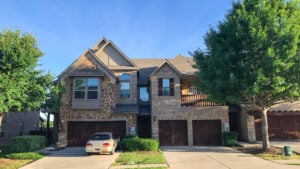 A typical homeowners policy is built around a few core protections. Your dwelling coverage pays to repair or rebuild the physical structure of your home if it’s damaged by a covered peril. Personal property coverage handles your belongings inside the home, things like furniture, electronics, and clothing. Liability protection covers you if someone is injured on your property and decides to take legal action. And loss-of-use coverage helps pay for temporary housing if your home becomes uninhabitable after a covered loss.
Covered perils usually include fire, lightning, windstorm, hail, theft, and vandalism, among others. For homeowners here on the Gulf Coast, wind and hail coverage matters a great deal, and most standard policies do include it. But here’s where things get complicated.
The Gaps That Catch People Off Guard
Flood damage is not covered by a standard homeowners policy. Full stop. This is probably the single biggest misconception we hear from homeowners, and it’s a costly one. Whether flooding comes from a hurricane, a tropical storm, or a heavy rainstorm that overwhelms local drainage, your standard policy won’t pay for it. Flood insurance has to be purchased separately, either through the National Flood Insurance Program or through a private carrier. We’ve helped homeowners across Pearland and League City sort through both options, and the right fit really depends on your property and your specific risk.
Windstorm coverage is another area where people sometimes get caught off guard in coastal Texas. Depending on where your home is located, your standard policy may exclude windstorm damage, or it may carry a separate, higher deductible for hurricane or wind events. In some cases, homeowners near the coast need a separate windstorm policy through the Texas Windstorm Insurance Association. It’s not something to guess on.
Beyond flood and windstorm, a few other gaps come up regularly:
- Sewer backup and water damage from below are typically excluded unless you add a specific endorsement.
- Jewelry, art, and valuables have sub-limits under personal property coverage. High-value items often need a scheduled endorsement to be fully covered.
- Business equipment and liability at your home may not be covered if you run a business from the property.
- Mold and foundation issues are generally excluded unless they result directly from a covered peril.
Replacement Cost vs. Actual Cash Value
One more thing worth understanding is how your policy pays out when you have a claim. Replacement cost coverage pays what it actually costs to repair or replace something at today’s prices. Actual cash value coverage factors in depreciation, so you may get significantly less than you expect. Over time, as construction costs rise, the gap between what your policy pays and what rebuilding actually costs can grow. We see this come up often with homeowners in Friendswood and Pasadena who haven’t reviewed their coverage limits in a few years.
A Quick Review Can Go a Long Way
Policies are not one-size-fits-all, and the right coverage for a home in Houston’s inner loop looks different from what a coastal property in Galveston needs. As an independent agency that’s been working with Texas Gulf Coast homeowners since 1985, we represent multiple carriers, which means we can actually shop around to find coverage that fits your home and your budget, rather than pushing one company’s product.
If you’re not sure whether your current policy has any of the gaps we’ve described, or if you’ve never had someone walk you through what your policy actually says, please give us a call or drop us an email. We’re happy to take a look and give you a straight answer.