
Flood insurance is one of those topics that comes with a surprising amount of misinformation. We hear misconceptions about it regularly from homeowners across Pearland, Houston, League City, Friendswood, Alvin, and surrounding areas, and those myths can lead people to skip coverage they genuinely need. So let’s set the record straight on five of the most common ones.
Myth #1: “I Don’t Live in a Flood Zone, So I Don’t Need Flood Insurance”
This is probably the one we hear most often, and it’s also the most dangerous. Flood zone designations are based on statistical risk levels, not guarantees. Plenty of Texas homeowners who were told they were “low risk” have filed flood claims after major storms. In fact, a large share of flood claims come from properties outside high-risk flood zones. The Texas Gulf Coast is flat, the soil gets saturated quickly, and when heavy rain falls faster than drainage systems can handle, water goes wherever gravity takes it. That can easily be your yard, your garage, or your living room.
Myth #2: “My Homeowners Policy Covers Flooding”
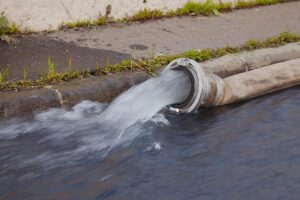 It does not. Standard homeowners insurance is very clear on this: flood damage is excluded. If water enters your home as a result of rising water, storm surge, or an overflowing creek or bayou, your homeowners policy won’t pay for it. You need a separate flood insurance policy for that. This surprises a lot of people, especially after a storm when they’re standing in a wet house expecting their insurer to help. We’ve had this conversation with new customers many times, and it’s always a hard one when it comes too late.
Myth #3: “Flood Insurance Is Only Available Through the Government”
The National Flood Insurance Program (NFIP) is the most well-known option, and it has covered millions of homes across the country for decades. But it’s not the only option. Private flood insurance has grown significantly and, depending on your property and situation, may offer higher coverage limits, shorter waiting periods, or additional features that the NFIP doesn’t include. As an independent agency, we represent multiple carriers, so we can look at both paths and help you figure out which one actually fits your home and budget. That flexibility matters, especially for properties with higher values or unique risk factors common along the Gulf Coast.
Myth #4: “I Can Buy Flood Insurance Right Before a Storm and Be Covered”
Unfortunately, that’s not how it works. NFIP policies typically carry a 30-day waiting period before coverage takes effect. Some private flood policies have shorter waiting periods, but there are still waiting periods. If a named storm is already in the Gulf and you’re calling us in a panic, we want to help, but we have to be honest: it’s almost certainly too late to get coverage before that storm makes landfall. November is a good reminder of this because we’re still in hurricane season, and a late-season storm can develop quickly. The time to think about flood insurance is before the forecast gets everyone’s attention.
Myth #5: “My Home Has Never Flooded, So It’s Not Going to”
Texas weather doesn’t follow patterns the way people expect it to. Neighborhoods in Pearland, League City, and Friendswood that stayed dry through multiple storms have still experienced flooding when conditions lined up differently, whether that was heavier rainfall totals, development that changed drainage, or back-to-back storm events that saturated the ground. A clean history is encouraging, but it’s not a promise. We’ve been serving this region since 1985, and we’ve watched the landscape and weather patterns change enough to know that past experience only tells part of the story.
The Bottom Line
Flood insurance isn’t just a coastal concern or a requirement for people in mapped flood zones. For anyone living in the greater Houston area, along the Gulf Coast, or in the low-lying inland communities we serve, it’s worth a serious conversation. We work with homeowners every day who are glad they asked, and occasionally with others who wish they had asked sooner.
If you have questions about flood coverage or want to find out what your options actually look like, please give us a call or drop us an email. We’re happy to talk it through with you, no pressure, no jargon, just a straight answer about what makes sense for your home and your situation.